
NVIDIA Open-Sources AI for Physical World: A Game Changer
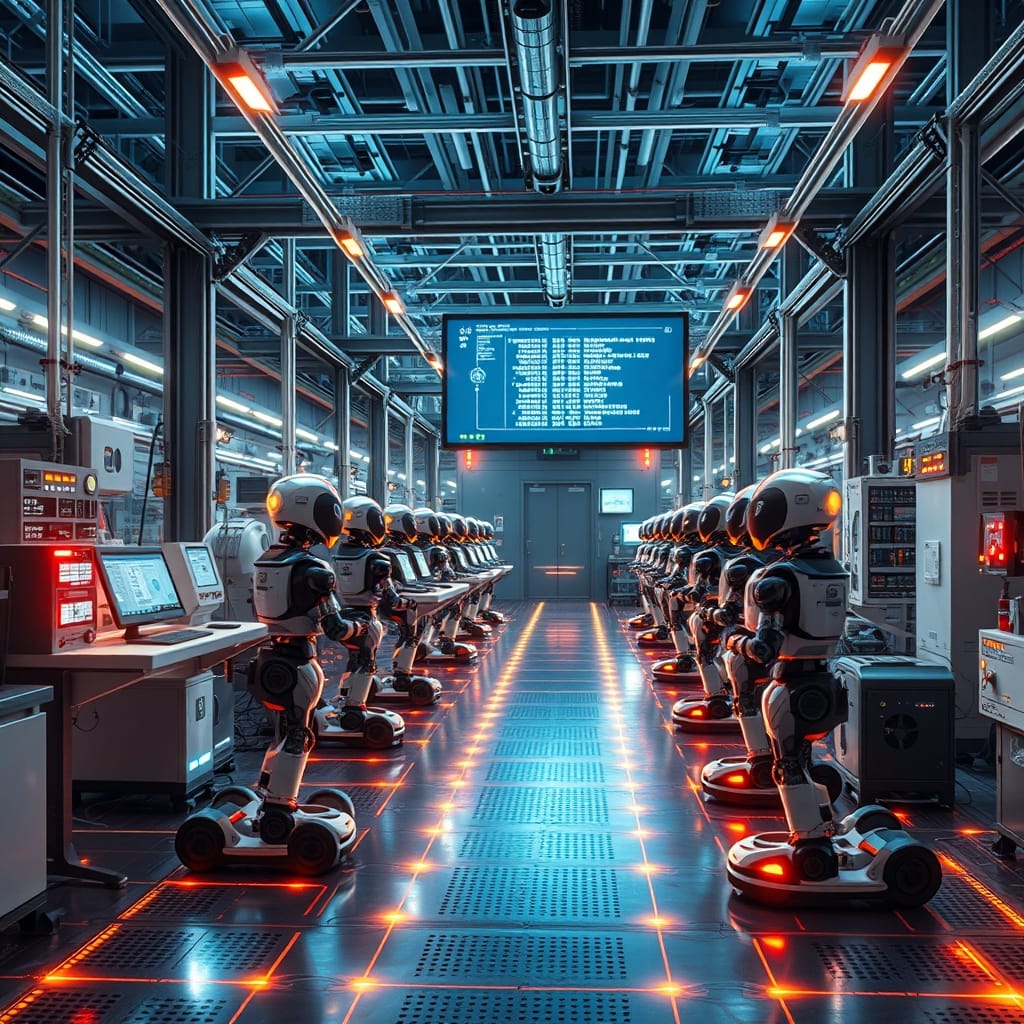
The AI landscape is constantly shifting, often dominated by the latest large language model (LLM) breakthrough or a new valuation headline. But every so often, a move comes along that signals a deeper, more fundamental shift – one that impacts not just how we process information, but how AI interacts with the tangible world around us. NVIDIA, a company synonymous with GPU power and the backbone of modern AI, has just made such a move: releasing open-source AI models specifically designed for the physical world.
This isn't just another model release; it's a strategic declaration. It signals NVIDIA's intent to democratize the building blocks for robotics, industrial automation, and autonomous systems, moving beyond its traditional proprietary ecosystem to foster broader innovation. For tech-savvy professionals in MENA and Europe, this development isn't merely news; it's a direct invitation to rethink automation, operational efficiency, and the future of physical enterprise.
The Strategic Shift: NVIDIA's Open-Source Play for the Physical World
NVIDIA has long been the silent engine behind AI's rapid ascent, providing the computational horsepower that fuels everything from data centers to advanced research. Their business model has historically revolved around high-performance graphics processing units (GPUs) and proprietary software platforms like CUDA and Omniverse. This context makes their recent decision to open-source foundational AI models for the physical world particularly noteworthy.
What exactly does "physical world AI" entail in this context? It refers to AI systems capable of perceiving, understanding, reasoning about, and interacting with real-world environments. This is a significant departure from the text-based or image-generation focus of many mainstream AI applications. We're talking about AI that enables robots to manipulate objects with precision, autonomous vehicles to navigate complex urban landscapes, and industrial systems to optimize operations in real-time. It's about bridging the gap between the digital intelligence we've cultivated and the physical reality we inhabit.
The primary implication of this strategic shift is clear: NVIDIA is lowering the barrier to entry for developers and businesses looking to build sophisticated physical AI applications. By making these foundational models openly available, they are effectively inviting the global developer community to innovate on top of their robust infrastructure. This isn't charity; it's a shrewd long-term play to solidify their position as the indispensable platform provider for the next wave of AI innovation – the one that moves from screens to streets, factories, and homes.
"NVIDIA's open-sourcing of physical AI models is a critical step towards accelerating innovation in robotics and autonomous systems, enabling a broader community to build and deploy advanced AI solutions in tangible environments."
One prominent example of this push is the Alpamayo 2 Super Open Reasoning Model, specifically designed for robotaxis. This isn't just a conceptual idea; it's a tangible, high-performance model geared towards solving real-world challenges in autonomous navigation and decision-making. Such models provide the intelligence layer that allows complex machinery to interpret sensor data, predict outcomes, and execute actions safely and efficiently in dynamic, unpredictable physical settings.
Bridging the Digital-Physical Divide: What These Models Entail
The essence of physical world AI lies in its ability to translate digital commands and complex algorithms into precise, effective actions in a real-world context. This requires a unique blend of capabilities that go far beyond what a typical LLM offers. While LLMs excel at processing and generating human-like text, physical AI models must contend with the messy, unpredictable nature of physics, perception, and interaction.
These new NVIDIA models are engineered to tackle critical challenges such as:
- Robust Perception: Interpreting vast amounts of sensor data (Lidar, radar, cameras, ultrasonic) in real-time, under varying conditions (lighting, weather, occlusions) to build an accurate understanding of the environment.
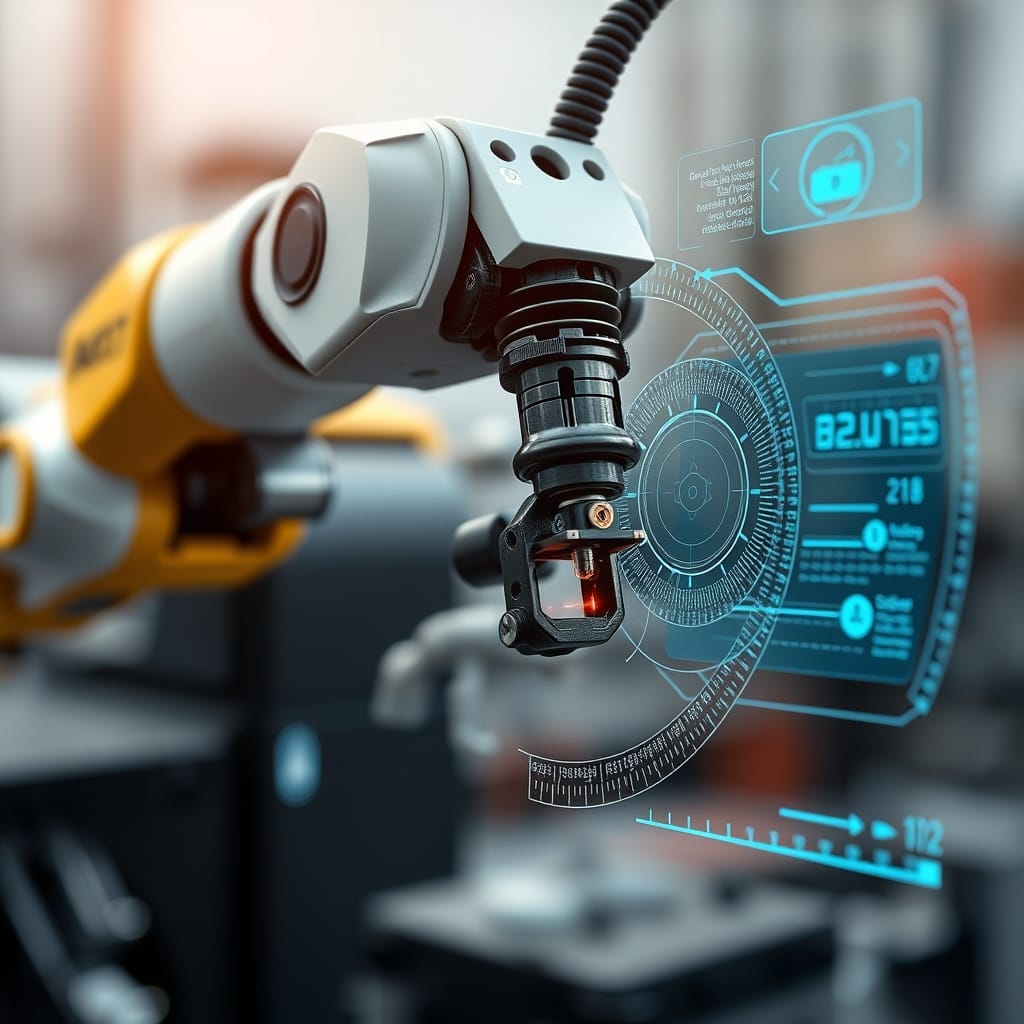
- Precise Manipulation: Controlling robotic arms and end-effectors with dexterity to grasp, move, and assemble objects, often requiring fine motor skills and adaptive strategies.
- Intelligent Navigation: Planning optimal paths, avoiding obstacles, and adapting to dynamic changes in an environment, whether for a drone, a warehouse robot, or an autonomous vehicle.
- Real-time Reasoning: Making split-second decisions based on incomplete information, often under safety-critical constraints, mimicking human-like situational awareness.
- Simulation-to-Reality Transfer: Leveraging high-fidelity simulations to train models efficiently and then deploying them effectively in the physical world, minimizing the "reality gap."
Unlike models focused on abstract data, physical AI models are deeply integrated with the kinematics, dynamics, and control systems of the hardware they operate. They need to understand physics, material properties, and environmental constraints. This makes their development inherently more complex and resource-intensive, which is precisely why open-sourcing these foundational elements is such a powerful catalyst.
The implications for enterprise are profound. Businesses can now leverage NVIDIA's years of R&D in these areas without having to build every component from scratch. This translates to faster development cycles, reduced costs, and the ability to deploy more sophisticated autonomous solutions across various sectors. The focus shifts from foundational AI research to application-specific innovation, allowing companies to differentiate themselves through unique use cases and integrations.
Practical Applications and Enterprise Impact
The release of these open-source physical AI models isn't just a technical curiosity; it's a direct enabler for a multitude of practical applications across diverse industries. The impact will be felt most acutely in sectors where physical interaction, automation, and real-time decision-making are paramount. For businesses in MENA and Europe, understanding these applications is key to identifying new avenues for competitive advantage.
Industrial Automation and Manufacturing
In factories and production lines, these models can power a new generation of smart robots and collaborative robots (cobots). Imagine robots that can adapt to variations in product assembly, perform quality control inspections with human-level discernment, or even reconfigure their tasks on the fly based on changing production demands. This moves beyond rigid, pre-programmed automation to flexible, intelligent systems that can learn and adapt, leading to significant gains in efficiency, safety, and throughput.
For example, a manufacturing plant could use these models to:
- Optimize: Robotic assembly lines to dynamically adjust to slight variations in component placement or material properties.
- Enhance: Predictive maintenance systems by allowing robots to physically inspect machinery and report anomalies with greater precision.
- Automate: Complex material handling tasks, such as picking irregularly shaped objects from bins, which traditionally require significant human intervention.
Autonomous Systems and Logistics
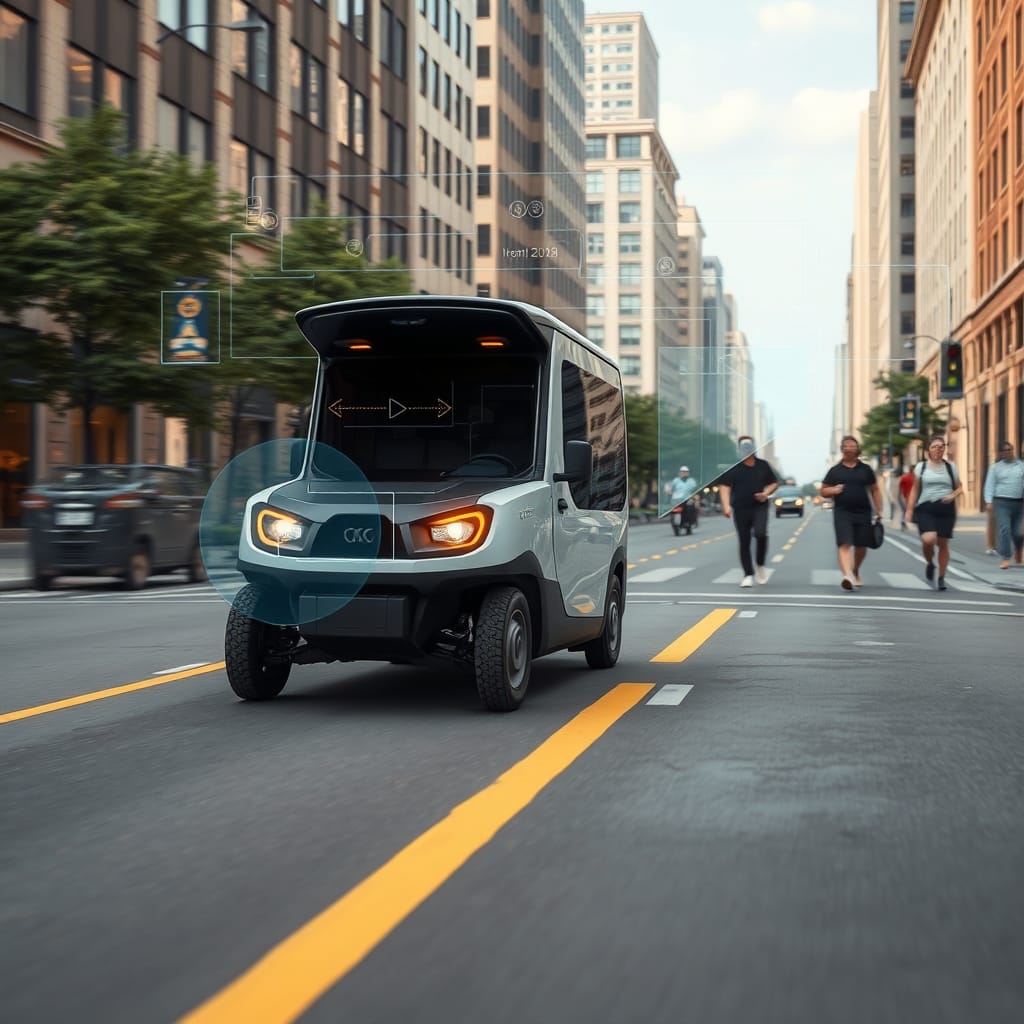
The autonomous vehicle sector, including self-driving cars, delivery drones, and warehouse robots, stands to benefit immensely. NVIDIA's Alpamayo 2 model for robotaxis is a prime example of how these open-source components can accelerate development in this highly complex domain. These models provide the intelligence needed for:
- Advanced Perception: Enabling vehicles to accurately detect and classify objects, pedestrians, and traffic signs in real-time, even in challenging weather conditions.
- Intelligent Path Planning: Generating safe and efficient routes, predicting the behavior of other road users, and adapting to unexpected obstacles.
- Robust Control: Executing precise steering, acceleration, and braking commands to ensure smooth and safe operation.
In logistics and warehousing, autonomous mobile robots (AMRs) and automated guided vehicles (AGVs) can become even more intelligent, navigating crowded spaces, optimizing routes for package delivery, and performing inventory management with unprecedented accuracy. This translates to faster fulfillment times, reduced operational costs, and improved supply chain resilience.
Simulation and Digital Twins
Beyond direct physical deployment, these models are critical for creating hyper-realistic simulations and digital twins. Enterprises can use these to:
- Design: And test new robotic systems or factory layouts in a virtual environment before costly physical implementation.
- Train: AI models with vast amounts of synthetic data, overcoming the limitations and dangers of real-world data collection.
- Optimize: Operational processes by running "what-if" scenarios on a digital twin that accurately mimics the physical environment and its intelligent agents.
The ability to iterate rapidly in a simulated environment, informed by real-world physics and AI capabilities, significantly de-risks deployment and accelerates innovation. This is where NVIDIA's Omniverse platform, combined with these open-source models, creates a powerful ecosystem for industrial digital transformation.
# Conceptual pseudo-code for a robot action using a physical AI model
# This illustrates the principle, not actual API syntax.

class RobotController:
    def __init__(self, model_path="nvidia/alpamayo_manipulation_v1"):
        self.perception_model = load_model(model_path, task="perception")
        self.action_model = load_model(model_path, task="manipulation")
        self.robot_arm = initialize_robot_hardware()

    def perform_pick_and_place(self, target_object_id, destination_coords):
        # 1. Sense the environment
        sensor_data = self.robot_arm.get_camera_feed()

        # 2. Perceive and understand the scene using the AI model
        object_detections, scene_understanding = self.perception_model.process(sensor_data)

        # 3. Plan the action based on perception and target
        if target_object_id in object_detections:
            object_pose = object_detections[target_object_id].pose
            # Use action model to calculate inverse kinematics and trajectory
            trajectory = self.action_model.plan_trajectory(object_pose, destination_coords, scene_understanding)

            # 4. Execute the action
            if trajectory:
                self.robot_arm.execute_trajectory(trajectory)
                print(f"Successfully moved {target_object_id} to {destination_coords}")
            else:
                print("Failed to plan trajectory.")
        else:
            print(f"Target object {target_object_id} not found.")

# Example usage
robot = RobotController()
robot.perform_pick_and_place("blue_widget", (0.5, 0.2, 0.1))
The Road Ahead: Implications for Innovation and Competition
NVIDIA's foray into open-source physical AI models marks a pivotal moment, much like the open-sourcing of foundational LLMs accelerated innovation in generative AI. This move is not just about making code available; it's about setting a new standard and potentially reshaping the competitive landscape in robotics and automation.
For innovation, the benefits are clear. A larger pool of developers, researchers, and startups can now experiment, build, and deploy sophisticated physical AI solutions without the prohibitive upfront investment in foundational research. This fosters a vibrant ecosystem where specialized applications can flourish, leading to a Cambrian explosion of intelligent robots and autonomous systems across various niches. We can expect to see rapid advancements in areas like human-robot collaboration, adaptive manufacturing, and context-aware autonomous navigation.
From a competitive standpoint, this challenges existing players in the robotics software space who might have relied on proprietary solutions. It also solidifies NVIDIA's role not just as a hardware provider, but as a critical platform provider at the software layer. By providing the foundational models, they ensure that their hardware remains the preferred choice for running these advanced AI workloads. This creates a virtuous cycle: more open-source innovation drives demand for powerful GPUs, which in turn fuels more AI development.
However, the journey won't be without its challenges. Deploying AI in the physical world introduces complexities that are less prevalent in purely digital domains. Safety, reliability, ethical considerations, and the inherent variability of physical environments demand rigorous testing and continuous refinement. Open-source models, while accelerating development, also place a greater responsibility on implementers to ensure robust and secure deployments.
This strategic move by NVIDIA is more than just a product launch; it's a statement about the future of AI. It underscores the belief that the next frontier of artificial intelligence lies in its ability to interact intelligently and autonomously with the physical world, transforming industries and redefining what's possible in automation and beyond.
Key takeaways:
- NVIDIA has released open-source AI models designed specifically for interaction with the physical world, targeting robotics, industrial automation, and autonomous systems.
- This move democratizes access to advanced AI capabilities for real-world applications, accelerating innovation beyond traditional LLMs.
- Models like Alpamayo 2 for robotaxis exemplify the practical, high-performance applications enabled by this initiative.
- Enterprises can leverage these models for smarter factories, more capable autonomous vehicles, and robust simulation/digital twin environments.
- The open-sourcing strategy strengthens NVIDIA's position as a foundational platform provider, driving demand for its hardware while fostering a broader AI ecosystem.
The era of AI confined to digital screens is rapidly evolving. With NVIDIA's strategic embrace of open-source models for the physical world, we are entering a new chapter where intelligent systems will increasingly shape our tangible environments. For businesses and developers across MENA and Europe, this is a clear call to action: explore these models, understand their potential, and start building the future where AI truly interacts with the world, one physical action at a time. The opportunity to lead in this transformative space is now.